

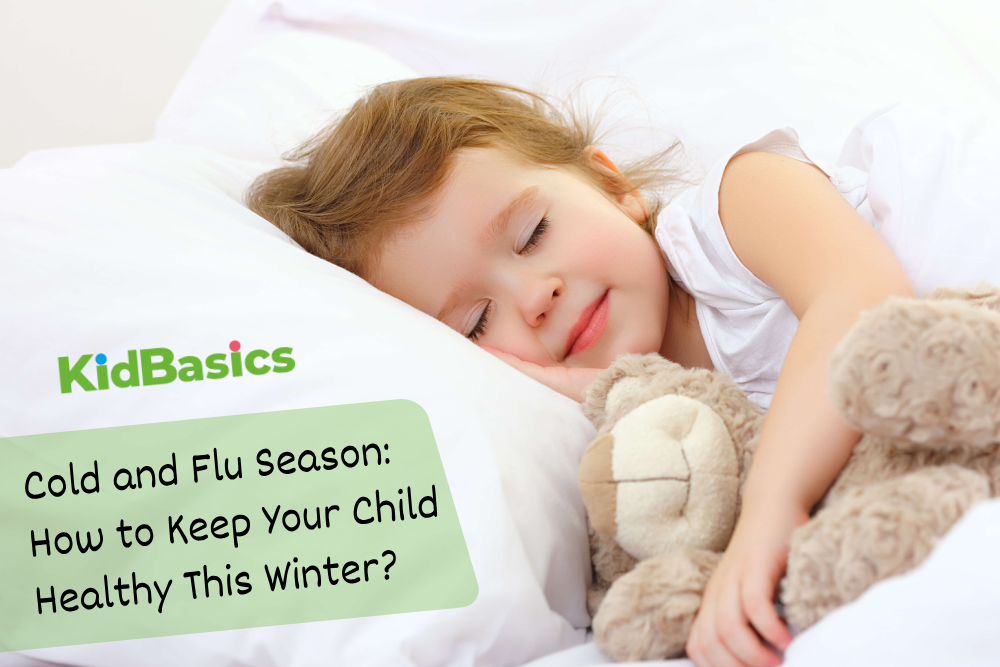
Winter also brings out the warm-up sweaters, cozy soups, and the holiday spirit, but it also signifies the onset of the cold and flu season. Younger children are also more exposed to viral infections in colder seasons. Repeated contacts at schools, playgrounds, and daycare centers also increase the likelihood of being exposed to diseases.
As a parent or caregiver, understanding ways to reduce the number of risks and help your child build a stronger immune system can go a long way in ensuring they stay healthy this winter.
Why Do Colds and Flu Rise in Winter?
Winter is a time when people are more likely to be indoors, which increases the likelihood of close contact and transmission of germs. Children are naturally curious and active; they often share toys, touch surfaces frequently, and forget to wash their hands.
Strengthening Immunity Through Nutrition
Proper nutrition can also help develop natural resistance to the typical winter viruses.
- Oranges, amla, berries, guava, and tomatoes are fruits and vegetables that contain Vitamin C, which can help increase immunity.
- Consume green leafy vegetables, beans, dals, eggs, fish, and lean meats to provide your body with the protein it needs to repair cells and boost your immune system.
- The warm broths, turmeric milk, ginger, and honey are comforting mixtures that have been known to have anti-inflammatory and antibacterial properties.
- Encourage hydration; children drink less water in winter. Warming water, coconut water, or homemade juices may be beneficial in maintaining thin mucus and eliminating toxins.
Good Hygiene Habits Matter
Teach your child to:
- Wash hands with soap for at least 20 seconds before meals and after playing.
- Cover mouth and nose when coughing or sneezing, with a tissue or your elbow.
- Do not touch mouth, nose, and eyes that much.
- Cleaning personal towels, bottles, and utensils instead of sharing them with other people.
Keep Them Warm and Comfortably Dressed
During winter, children lose heat at a faster rate than adults; therefore, they need layered clothes. Wear breathable fabrics and layer up with items that can be easily removed if they become too hot. Inside the home, maintain a comfortable indoor temperature, but not overheat.
Adequate Sleep and Routine
School schedules, screen time, and winter festivities usually disrupt sleep. Try to maintain:
- 9-11 hours of sleep among school-going children.
- Meal and bedtime routines.
- Restricted screen time in the evening before bedtime.
Stay Active – Even in Cold Weather
As days become shorter and mornings grow colder, children spend more time indoors. Move the body to maintain the blood flow and the immune system. A quick stroll in the winter sun, indoor games, yoga, and dance may improve mood and health. Early morning exposure to the sun will also preserve vitamin D, which promotes bone and immunity.
Vaccination and Medical Care
Children should receive the flu vaccine annually, as recommended by their healthcare provider. Routine immunizations are also brought up to date, and this protects them against preventable illnesses. If your child has chronic conditions, allergies, or asthma, ask the doctor about specific winter care plans.
Seek medical help if symptoms worsen, if you have trouble breathing, if you have a high fever, or if you exhibit signs of dehydration.
Hydration and Home Comfort Remedies
Hot drinks such as soups, broth, and herbal tea are very soothing and can help relieve congestion. The dryness can be relieved and breathing made easier with the help of steam inhalation, saline nasal drops, and a humidifier in the room.
Honey with warm water, tulsi, and warm gargles are natural home remedies that can provide relief to the patient and are useful for help, but not a replacement for seeking medical advice when required.
Although colds and flu are a natural occurrence during winter, you don’t have to hold your child’s life hostage. With a little good nutrition, hygiene, sleep, warmth, and sensible medical advice, you can minimize the chances of infection and keep your little one healthy and on the go all season long.
Make this winter safer and happier for your child by focusing on care, establishing healthy habits early, and providing support. The symptoms should not be ignored, and you should not hesitate to seek a medical opinion in case of any strange events.
Comments are closed