

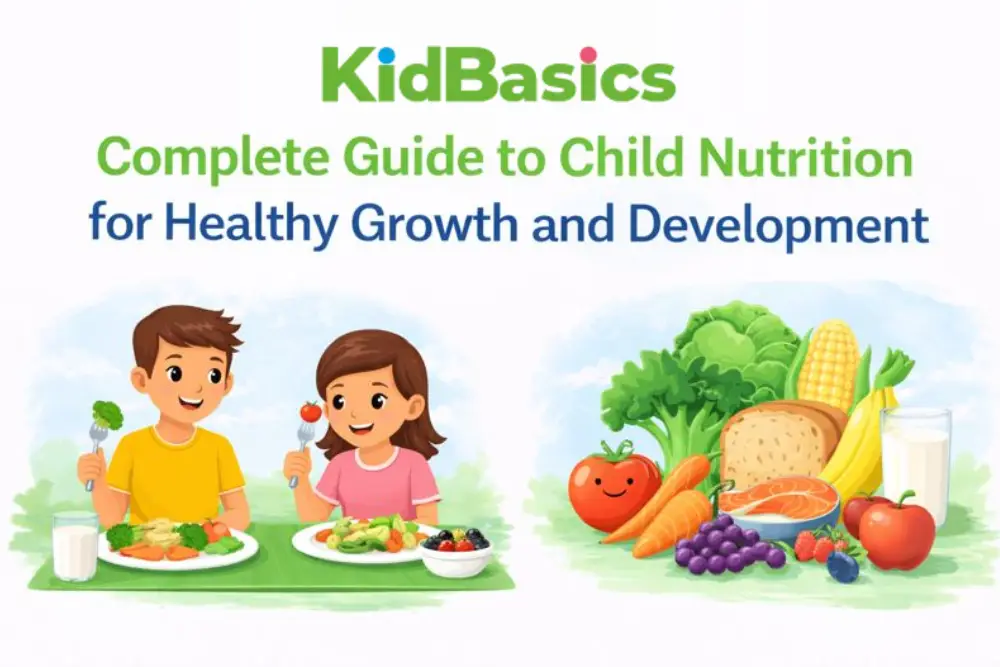
Childhood nutrition is essential in influencing physical development, brain development, immunity, and a child’s well-being. This ultimate guide to children’s nutrition from one parent to another will help to get a clear understanding of key nutrients, good food habits, and useful tips that can be applied to keep children well and happy.
Why Children’s Nutrition Is Important?
Children are always in the process of development and growth. Their bodies also need a vast amount of nutrients to develop strong bones, muscles, organs, and a healthy immune system. Unhealthy eating habits as a child may result in nutritional deficiencies, poor immunity, obesity, and permanent health issues in adulthood.
Essential Nutrients for Children’s Growth
A proper diet must be incorporated with all the required nutrients that will contribute to optimal growth and development.
-
Proteins
They aid growth of muscles, the repair of tissues, and immunity. Protein-rich foods among children are milk, curd, eggs, pulses, lentils, beans, nuts, seeds, and lean meats.
-
Carbohydrates
Examples of complex carbohydrates that should be taken in place of refined sugar and processed foods include whole grains, brown rice, oats, millets, fruits, and vegetables.
-
Healthy Fats
Fat is essential to brain development and the absorption of fat-soluble vitamins. Healthy fat sources include nuts, seeds, avocados, ghee, olive oil, and fatty fish.
-
Vitamins and Minerals
Calcium and vitamin D are necessary for good, healthy bones and teeth, and iron prevents anemia and fatigue. Incorporate green leafy foods, fruits, milk, grains, and fortified foods in the diet of your child.
-
Fiber
Dietary fiber helps in digestion and to avoid constipation. Fruits, vegetables, whole grains, and legumes provide great sources of fiber for children.
Building Healthy Eating Habits Early
Children should be motivated to eat colorful fruits and vegetables, as the different colors provide different nutrients.
Do not force your children to eat, but do encourage them to try new foods. Providing children with pleasant experiences during food preparation makes them form a positive attitude toward food.
Omitting meals and breakfast may influence energy and concentration. It is a good breakfast that consists of fruits, whole grains, and protein, which sets the day.
Limiting Unhealthy Foods
Fast food, soft beverages, sweetened sweets, and processed food do not contribute much to a child’s health and may be very harmful to the baby. Unreasonable consumption of sugar causes a greater likelihood of obesity, tooth decay, and behavioral problems. Rather than prohibiting the consumption of these foods, reduce their consumption and provide more healthy options like homemade snacks, fruits, yogurt, and nuts.
Importance of Hydration
Water is a necessary need but is often overlooked, as it helps in the process of digestion, circulation, and temperature regulation. Encourage the children to drink enough water throughout the day. Stay away from sugary drinks and packaged juices, which are way too high in calories.
Role of Parents and Caregivers
Children have high chances of adopting healthy eating habits when parents engage in healthy eating habits. Engage children in meal planning and cooking, so they get to consider healthy foods. Educate them on the importance of nutrition in an age-friendly manner.
When to Consider Supplements
Preferably, children are supposed to be nourished through food. But, there are instances when supplements are required due to picky eating habits, limitations in the diet, or medical issues. Supplements should always be administered by consulting a pediatrician.
Proper dieting, which includes all the necessary nutrients and healthy eating practices, can help increase child development, immunity, and mental growth. Parents can make their children grow in a healthy, active, and strong body through conscious food intake and the ability to create a positive eating atmosphere at home.
Comments are closed